Source Bohemian Eco Friendly Ceramic Mug for Daily Use, Gift, and Wedding
Compare 30 listings for the bohemian eco friendly ceramic mug, featuring customizable designs, high-temperature resistance, and suitability for daily use, gifts, and weddings. Buyers can review specifications like material, packing, and origin from Chinese manufacturers.
Key considerations
Products List


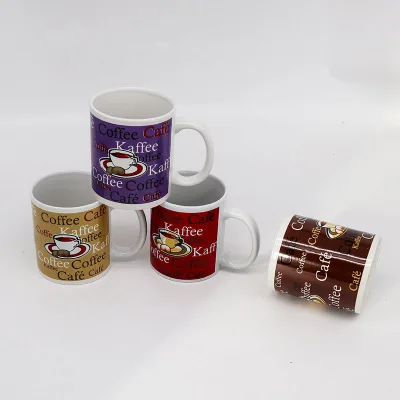
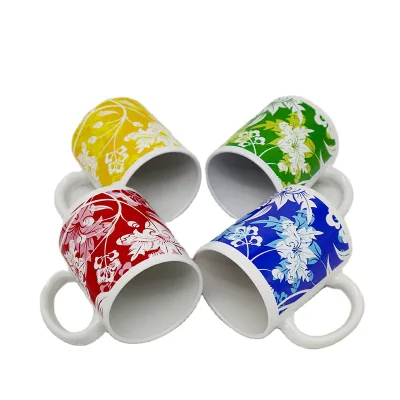


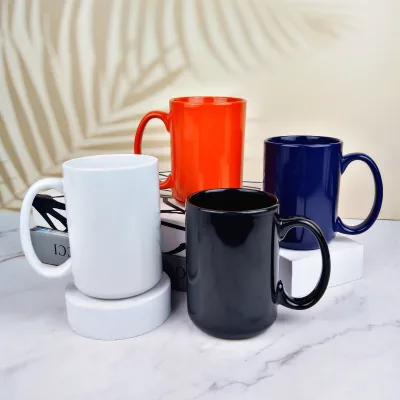
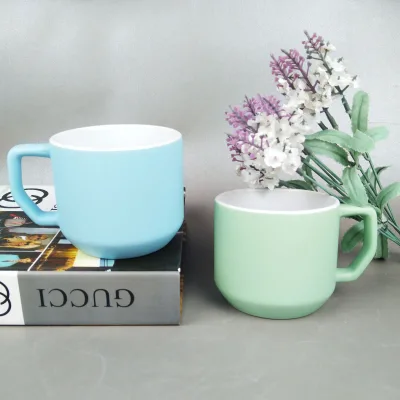


Comprehensive Sourcing Guide
Sourcing Guide for Bohemian Eco-Friendly Ceramic Mugs
Understanding Product Attributes and Design Variations
When sourcing bohemian eco-friendly ceramic mugs, buyers must first distinguish between the aesthetic requirements of the "bohemian" style and the functional realities of the supply chain. The core keyword implies a specific visual language: intricate patterns, earthy or vibrant color palettes, and often a handcrafted appearance. Based on available market data, these products frequently feature "With Pattern" designs and are described as "Multicolor." The "bohemian" aesthetic is often achieved through "Hand-painted" technics or "Glaze" finishes that create unique, non-uniform textures.
A critical observation in the current market is the divergence between "Stocked" items and fully "Customized" orders. Some listings indicate a "Stock" status of "No," meaning the product is made-to-order. This is particularly relevant for buyers seeking specific "Customized Shape" or "Custom Color" options. The "Eco-Friendly" claim is a recurring attribute, often paired with materials like "Ceramic" or "Porcelain." However, buyers should verify that the "Eco-Friendly" designation refers to the material sourcing or the manufacturing process, as the term is not universally standardized without third-party verification.
The structural integrity of these mugs varies. While many are described as "Single-layer Ceramic Cup," others may feature "Heat Preservation" capabilities. The standard capacity often cited in technical specifications includes "10oz" or "11OZ 10," though some suppliers offer "can customized any size." This flexibility is a key driver for the "Customization" attribute, which is widely accepted in the sector. Buyers looking for a bohemian look must specifically request "With Pattern" and "Multicolor" options, as minimalist or "Simple" styles, while available, may not align with the specific bohemian aesthetic.
Technical Specifications and Material Standards
The technical foundation of a ceramic mug sourcing project relies heavily on understanding the material composition and dimensional standards. The primary material identified in the market is "Ceramic," with "Porcelain" also appearing as a distinct, often higher-grade option. The distinction matters because porcelain typically offers a finer grain and higher translucency, which can enhance the visual impact of hand-painted bohemian designs.
Capacity and size are the most common points of variation. Standard specifications often list "10oz" as a baseline, but the market also supports "11OZ 10" and fully customizable dimensions. For buyers requiring specific dimensions, the "Standard Export Carton" packing suggests that the physical footprint of the product is a critical factor in logistics planning. One specific listing notes a standard size of "8.2*8cm," which likely refers to the diameter or height of a specific model, but buyers must confirm these exact measurements against their packaging requirements.
The "Function" of the mug is another technical consideration. Most products are designed to "Withstand High Temperatures," a non-negotiable feature for hot beverage containers. Some listings also claim "Health Care" functions, which usually implies the use of non-toxic glazes or materials that do not leach harmful substances. However, without specific test data provided in the general market overview, buyers should treat "Health Care" as a claim requiring validation. The "Quality Standard" is often defined as "a-B Grade" or "According to Your Requirements," indicating that the industry relies heavily on buyer-supplier agreements rather than a single universal metric.
Compliance, Certification, and Safety Verification
In the realm of ceramic tableware, compliance is not merely a formality but a critical component of product safety and market access. While the provided data mentions "Eco-Friendly" as a feature, it does not explicitly list certifications such as FDA, LFGB, or ISO standards. This absence requires buyers to actively request proof of compliance. The "Quality Standard" field often defaults to "a-B Grade," which is an internal grading system rather than an international safety certification.
Buyers must verify that the "Hand-painted" or "Glaze" techniques used do not introduce heavy metals like lead or cadmium, which are common concerns in ceramic manufacturing. The "Eco-Friendly" claim should be backed by specific documentation regarding the glaze composition and the firing process. Since the "Standard Export Carton" is mentioned, it implies that the packaging must meet certain durability and safety standards for international shipping, but the material safety of the mug itself remains a separate verification step.
The "OEM" and "ODM" acceptance indicates that suppliers are willing to adapt to specific regulatory requirements of the buyer's target market. For instance, if the destination is the European Union, the supplier must demonstrate compliance with EU Directive 84/500/EEC regarding ceramic articles. In the United States, compliance with FDA regulations for food contact surfaces is essential. Buyers should not assume that a "Customized Logo Acceptable" or "Accept Customized Designs" capability extends to regulatory compliance; these are distinct operational areas.
Cost Drivers and Pricing Dynamics
The pricing of bohemian eco-friendly ceramic mugs is influenced by a complex interplay of customization, material, and order volume. The observed price range in the market spans from $0.24 to $8.00 USD. This wide variance is primarily driven by the level of customization and the complexity of the design. A simple, mass-produced "Simple" style mug will likely fall at the lower end of this spectrum, while a "Hand-painted," "Multicolor," and "Customized Shape" mug will command a premium price.
Order volume is the second major cost driver. The Minimum Order Quantity (MOQ) ranges from 36 to 5000 units. Buyers ordering near the lower limit of 36 units may face a higher per-unit cost due to the setup costs for custom molds or hand-painting processes. Conversely, orders approaching 5000 units can leverage economies of scale, potentially bringing the price closer to the lower bound of the observed range. However, the "Stock: No" attribute for many custom items means that lead times and production scheduling become critical cost factors, as rush orders often incur surcharges.
Material quality also impacts cost. "Porcelain" is generally more expensive than standard "Ceramic" due to the higher firing temperatures and finer raw materials required. The "Eco-Friendly" designation, if it involves specialized non-toxic glazes or sustainable sourcing, may also add a premium. Buyers should be aware that the "Custom Box" option, listed as "1PC/Custom Box," adds significant packaging costs compared to the "Standard Export Carton" or "One Piece in One Box" options.
Typical Applications and Market Segmentation
Bohemian eco-friendly ceramic mugs serve a diverse range of applications, driven by their aesthetic appeal and functional versatility. The "Usage" attributes identified in the market include "Daily Use," "Gift," "Promotion," "Wedding," and "Birthday." This broad applicability allows buyers to target multiple market segments simultaneously.
For the "Daily Use" segment, the focus is on durability and aesthetic integration into home decor. The "Minimalist" or "Simple" styles may appeal to modern home buyers, while the "With Pattern" and "Multicolor" options cater to those seeking a bohemian, eclectic look. The "Suitable" locations for these mugs are listed as "Home" and "Office," indicating their dual role in residential and corporate environments.
The "Gift" and "Promotion" sectors are particularly strong for this product category. The "Customized Logo Acceptable" and "Design: Accept Customized Designs" features make these mugs ideal for corporate branding, event giveaways, and promotional campaigns. The "Occasion" field specifically mentions "Back to School," suggesting a seasonal marketing opportunity. Additionally, the "Wedding" and "Birthday" usage points to the product's suitability as a personalized gift item, where the "Custom Color" and "Customized Shape" options add significant value.
Supplier Evaluation and Operational Capabilities
Evaluating suppliers for bohemian ceramic mugs requires a deep dive into their operational capabilities and flexibility. The "Customization" attribute is ubiquitous, with suppliers accepting "OEM" and "ODM" services. However, the extent of this customization varies. Some suppliers offer "Customized Logo" and "Custom Color," while others provide "Customized Shape" and "Accept Customized Designs." Buyers must clarify the scope of these services to ensure the supplier can meet their specific design requirements.
Geographic origin is a significant factor in supplier selection. The data indicates origins in "China," with specific provinces like "Shandong" and "Hefei" mentioned. These regions are known for their ceramic manufacturing clusters, offering a concentration of expertise and supply chain efficiency. However, buyers should verify the specific factory capabilities rather than relying solely on the province. The "Brand Name" "Best" appears in the data, but this should be treated as a generic descriptor rather than a recommendation for a specific entity.
The "Stock" status is a critical operational metric. Many suppliers list "Stock: No," indicating a made-to-order model. This affects lead times and inventory management. Buyers planning for seasonal peaks must account for the production lead time, which is not explicitly stated in the general data but is implied by the custom nature of the products. The "Packing" options, ranging from "Carton" to "One Piece in One Box," also reflect the supplier's ability to handle different packaging requirements, which is essential for gift-oriented markets.
Quality Control and Long-Term Procurement Strategy
Maintaining quality in the ceramic mug sector requires a robust quality control (QC) strategy. The "Quality Standard" of "a-B Grade" suggests a tiered system where "a" represents the highest quality and "b" represents a lower tier. Buyers should define their acceptable quality threshold in the contract, potentially specifying "According to Your Requirements" to ensure the product meets their specific standards.
Visual inspection is paramount for "Hand-painted" and "With Pattern" items. Defects such as uneven glazing, misaligned patterns, or color bleeding can significantly impact the "bohemian" aesthetic. Buyers should request pre-shipment samples to verify the "Multicolor" accuracy and the "Eco-Friendly" claims. The "Function" of withstanding high temperatures should be tested to ensure the mug does not crack under thermal shock, a common issue in ceramic manufacturing.
For long-term procurement, establishing a consistent relationship with a supplier who can handle "Customized Designs" and "OEM" services is crucial. The ability to maintain the "Eco-Friendly" standard over multiple production runs is a key differentiator. Buyers should also consider the "Packaging" durability, as the "Standard Export Carton" must protect the fragile ceramic items during international transit. Finally, the "Lead Time" and "MOQ" flexibility should be negotiated to align with the buyer's sales cycles, ensuring that the supply chain remains agile enough to respond to market trends.
FAQs
What customization options are available for these mugs?
Suppliers accept customized logos, designs, colors, and shapes for these ceramic mugs. You can request specific patterns or multicolor finishes, though some items are made-to-order with no stock available.
How much does a bohemian eco friendly ceramic mug cost?
The observed price range for these mugs spans from 0.24 to 8 USD per unit. Costs vary based on customization complexity, material type like porcelain or ceramic, and the specific packaging requirements chosen.
Can I order these mugs with specific capacity sizes?
Yes, standard sizes include 10oz and 11oz, but many suppliers allow you to customize any size. You must confirm exact dimensions like 8.2 by 8cm with the manufacturer before placing a custom order.
Which suppliers offer these mugs from China?
Manufacturers are located in China, with specific origins noted in Shandong and Hefei. These regions host factories capable of producing hand-painted or glazed mugs with eco-friendly features and custom branding services.
What is the minimum order quantity for custom designs?
The minimum order quantity ranges from 36 to 5000 units depending on the supplier and product specifications. Lower MOQs like 36 units are available, but higher volumes may reduce the per-unit cost significantly.
How are these ceramic mugs packed for shipping?
Packaging options include standard export cartons, one piece in one box, or custom boxes. A typical carton holds 36 pieces with dimensions of 44 by 27 by 36cm to ensure safe transport.